Why Rural Workers Often Struggle With Back Pain in Autumn
Updated:
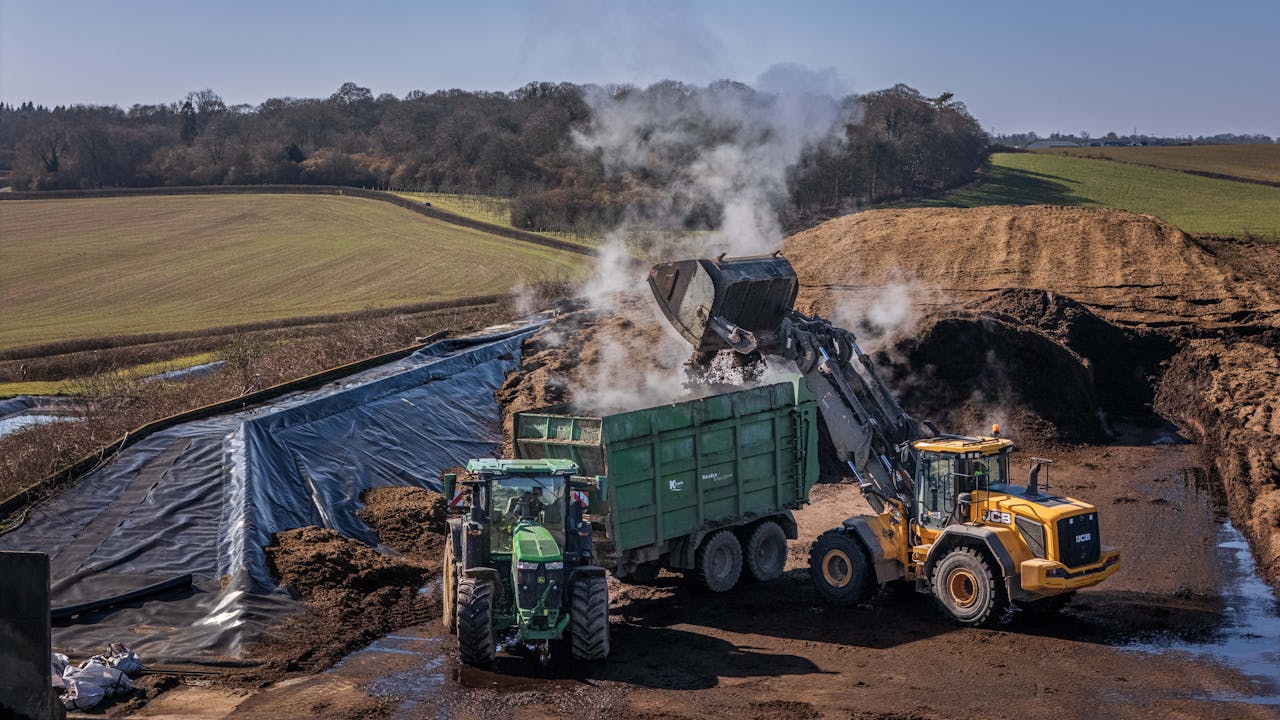
Autumn brings a noticeable rise in back pain among farmers tradespeople and self-employed workers across Cumbria and County Durham. Many people ask why their back starts to ache more at this time of year and why manual work feels harder once the season changes. The shift from long summer days to cold damp weather places extra strain on the body and the everyday demands of rural work become tougher on the spine. This guide explains the main reasons rural workers struggle with back pain in autumn and the steps you can take to protect your body during the busiest months.
Why autumn increases back pain for rural workers
Many people look for answers about why their back pain worsens during autumn and the reasons are usually linked to a mix of heavy work conditions and environmental changes.
Rural roads become harder to navigate
Autumn roads in Cumbria and County Durham are often wet muddy, uneven and covered in leaves. Driving over bumpy surfaces for long distances places repeated strain on the lower back. People who ask why driving makes back pain worse often discover it is due to constant vibration through the seat and the twisting involved when checking mirrors or reversing machinery. Tractors, vans and work vehicles all place extra load on the spine when used for long hours.
Lifting becomes heavier and more frequent
A common question in rural communities is why lifting feels more painful at this time of year. Autumn often brings harvesting tasks feed deliveries construction jobs and groundwork. These involve lifting bags tools machinery and materials. Cold weather stiffens the muscles which increases the risk of strains during manual work. Tasks that were manageable in summer can suddenly feel uncomfortable because the body is moving less freely in colder months.
Working outdoors increases physical stress
People often ask if working outside in cold temperatures makes back pain worse and the answer is yes. When temperatures drop the muscles tighten which reduces flexibility. Farmers and tradespeople who work outdoors feel this most strongly in the lower back and hips. Long days of bending carrying and handling equipment become more challenging because the body does not stay warm for long. Damp conditions also contribute to joint stiffness which can trigger irritation in the spine.
Extra reasons back pain rises during autumn
Aside from heavy work and cold weather there are other seasonal factors that affect people in rural areas.
More hours sitting in machinery and vehicles
Autumn can mean long days in tractors forklifts and work vans. Many people ask if sitting for long periods can cause back pain and the simple answer is yes because it places steady pressure on the spine. Poor seat support rough ground and awkward driving angles all add up over time.
Reduced daylight and less movement
Shorter days mean fewer opportunities for breaks fresh air and regular movement. Reduced mobility makes the back feel stiff and sore. This is one of the most common reasons people report autumn discomfort after a busy summer of higher activity.
Carrying heavier clothing and equipment
Autumn requires waterproofs heavier boots and thicker outdoor gear. This extra weight may seem small, but it adds load to the spine especially when lifting or bending repeatedly.

Why sciatica often flares up in autumn
Many rural workers search for answers about why sciatica feels worse in colder months. The sciatic nerve is sensitive to pressure and autumn conditions make flare ups more likely. Cold weather tightens the muscles around the lower back and hips which reduces space for the nerve and increases irritation.
Long periods of driving or lifting heavy items can also cause pain to travel through the hips, buttocks and legs. People who ask why sciatic pain appears during farming or trade work usually discover it is linked to repetition stiffness and reduced movement.
How to protect your back during the autumn months
Many people ask what they can do to stop autumn pain from getting worse. The steps below are simple reliable and fit naturally into rural work routines.
Practical ways to reduce autumn back pain
- Warm up the back with gentle movement before lifting or driving
- Take short breaks when working long hours outdoors or in machinery
- Use proper lifting techniques by bending your knees and keeping loads close
- Adjust vehicle seats so the lower back feels supported
- Wear layered clothing to keep muscles warm and flexible
- Stretch the hips hamstrings and lower back at the end of each day
- Swap heavy lifting between sides to avoid repeated strain on one area
When to consider additional treatment options
Some people look for stronger solutions when home methods are not enough. If your pain travels into the legs tightens suddenly during lifting or becomes persistent during driving, you may need further support. Many workers in Cumbria and County Durham explore treatments such as spinal injections which can help calm irritation around sensitive joints and nerves. These are often used when pain affects daily work or when lifting driving or outdoor labour become difficult.
When to seek help and how SpineArt can support you
If autumn back pain begins to interrupt work, make lifting difficult or limit your ability to drive safely it is a good idea to seek guidance. Persistent aches can indicate strain in the joints or irritation of the sciatic nerve and early advice helps prevent longer term issues. At SpineArt we provide clear information for rural workers who want to understand why their symptoms appear and what steps they can take next. Whether you are dealing with lifting injuries driving discomfort or seasonal stiffness our resources offer practical guidance that helps you make confident decisions about your spine health. SpineArt can support you with straightforward information on Back Pain, Sciatica and Spinal Injections, giving you the knowledge you need to manage autumn workloads with more comfort and control.