How Can You Prevent Back Pain While Travelling This Christmas
Updated:
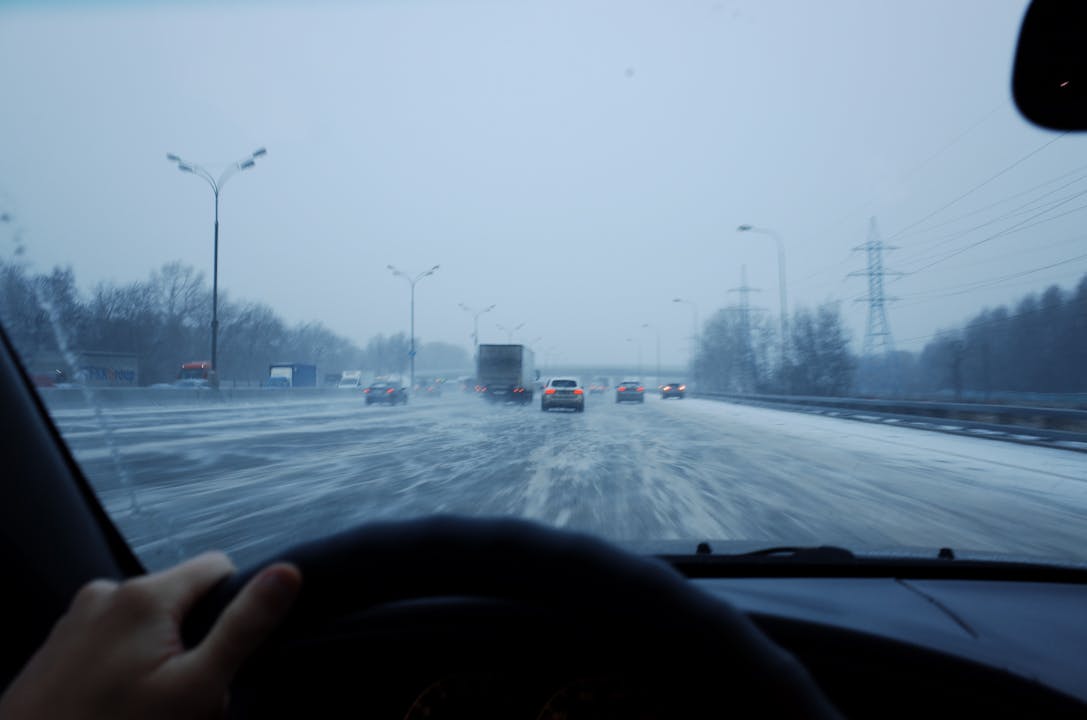
Christmas travel is exciting, but it is also one of the most common times people in York, Harrogate and Durham begin to feel new aches in the back and neck. Many people ask why long drives cause back pain or why their neck feels stiff after flights and the answer is usually a combination of posture lifting habits and long periods of sitting. With more families and professionals travelling across Yorkshire for festive plans this guide explains how to travel comfortably and reduce the chance of winter related back pain.
Why Christmas travel often leads to back pain
Many travellers look for answers when discomfort appears during holiday journeys. Here are the main reasons people notice more problems at this time of year.
Sitting for long periods
Whether you are driving long distances on Yorkshire roads or sitting in airport queues your spine is under steady pressure. People often ask why sitting hurts the lower back and the reason is that prolonged sitting loads the discs and tightens the muscles. When posture begins to slump, the tension increases even more.
Awkward posture while driving
Families and professionals who travel across York, Harrogate and Durham often spend hours behind the wheel. Driving requires you to hold a fixed position while twisting slightly to check mirrors or traffic. People who ask why driving causes back pain usually find the answer is poor seat position combined with vibration from the road.
Lifting luggage the wrong way
Suitcases heavier winter bags and gift filled rucksacks all add strain to the spine. Many travellers ask why lifting luggage triggers sudden back pain and it is often due to bending and twisting quickly especially when rushing. Cold weather also stiffens the muscles which increases the risk of strain.
Neck strain during flights and train journeys
People often ask why their neck hurts after a short flight or a train trip to Leeds. When the head is unsupported it tilts forward and puts pressure on the neck joints. The muscles work harder to stabilise the head, and this leads to discomfort later in the day.
How to prepare your back before travelling
Good preparation can make a big difference. These steps help reduce the chance of pain before the journey even begins.
Warm up your muscles
Light movement before a drive or flight encourages blood flow and stops the muscles feeling tight. Simple stretches for the lower back hips and shoulders can help you start your journey more comfortably.
Pack lighter where possible
Many travellers in Yorkshire ask if reducing luggage weight really helps and it does. A lighter bag means less strain when lifting and carrying.
Choose luggage with wheels
Rolling bags reduce the need for heavy lifting so you avoid sudden strain when moving through airports or train stations.

How to protect your back during long drives
Driving is one of the most common triggers for Christmas travel back pain. These tips help you stay comfortable on the road.
- Adjust your seat so your hips are level and your back feels supported
- Keep the steering wheel close enough so you avoid leaning forward
- Stop for breaks every hour wherever safe to do so
- Move your shoulders hips and legs during each stop to reduce stiffness
- Keep your phone or sat nav at eye level so your neck stays in a neutral position
People often ask if small adjustments really matter during long drives and the answer is yes because even slight improvements in posture reduce continuous pressure on the spine.
How to lift luggage safely
Many families and professionals rush during Christmas travel which increases the chance of lifting injuries. These habits help protect your back.
- Bend your knees instead of your back when lifting
- Hold the suitcase close to your body
- Avoid twisting while carrying bags
- Ask for help with heavy items if needed
- Place luggage into the boot in stages instead of one heavy swing
People who ask why quick twisting lifts cause pain usually learn that twisting under load strains the joints and muscles more than straight lifting.
Staying comfortable during flights and train journeys
Neck pain is common when travelling to or from Leeds for the holidays. These tips help reduce strain.
- Use a travel pillow to support the head
- Adjust your seat so your back stays upright
- Keep your bag under the seat rather than hanging from your shoulder
- Stand and stretch when possible
- Avoid leaning forward over screens for long periods
People often ask if travel pillows really help and for many travellers, they reduce the forward tilt of the head which protects the neck.
Simple habits that ease discomfort after travelling
Once you arrive at your destination gentle movement helps reset your spine.
- Take a short walk to loosen tight muscles
- Stretch your hips neck and lower back
- Stay hydrated to support joint comfort
- Avoid sitting for long periods after a long journey
These habits reduce the stiffness many travellers feel later the same day.
When to seek help and how SpineArt can support you
If your back pain continues after travelling interrupts Christmas plans or begins to affect daily movement it is sensible to seek guidance. Persistent discomfort can indicate strain in the joints or muscles and early advice helps prevent ongoing issues. SpineArt offers clear trusted information to help you understand why your back hurts during travel and what steps you can take next. You can explore our guide on Back Pain for simple explanations and practical support tailored to your needs.
Stay comfortable through the festive season Christmas travel across York, Harrogate and Durham should be enjoyable not painful. With better lifting habits improved posture and regular movement you can reduce the risk of back and neck pain during the festive season. A few small changes make journeys more comfortable and help you arrive feeling ready to enjoy time with family and friends.