What is Minimal Access Surgery
Updated:
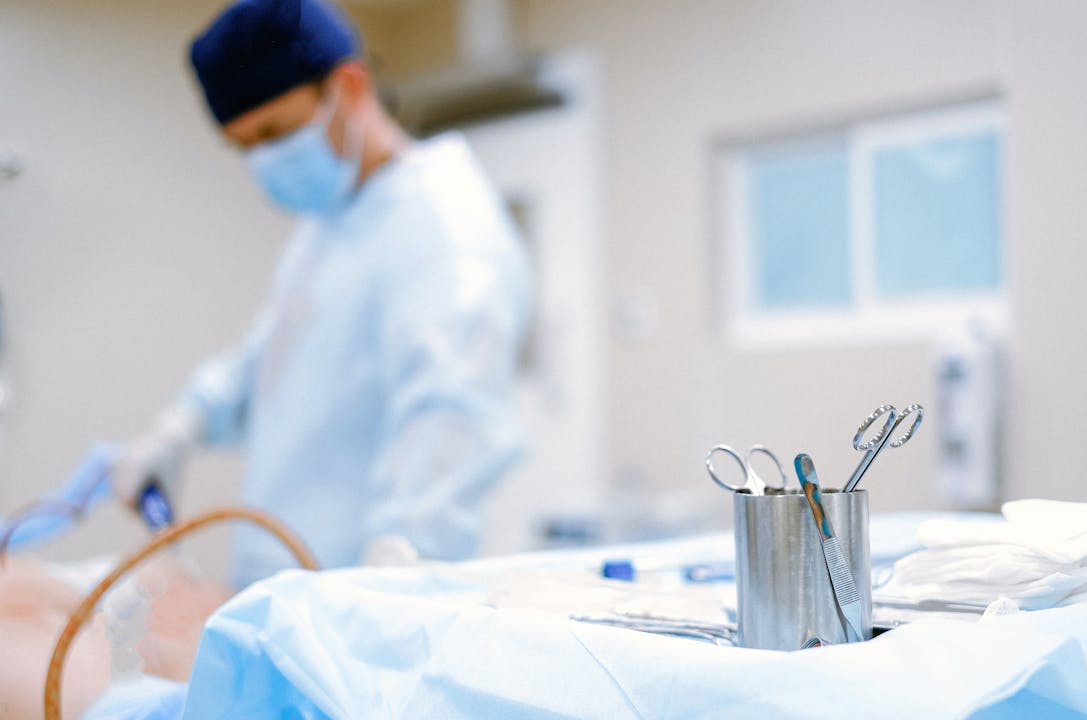
Minimal access surgery is a modern approach that allows specialists such as Mr Dan Fagan FRCS at SpineArt to treat spinal problems through small entry points rather than the larger openings used in traditional surgery. If you are in North Yorkshire or the North East and looking for treatments that reduce discomfort, shorten recovery and limit time away from work or family, this guide explains how the technique works, who it helps and what to expect if you are considering it.
Understanding Minimal Access Surgery
Minimal access surgery uses small openings and slender instruments to reach the affected area of the spine. Specialists use advanced technology to view the spine clearly while reducing disruption to muscles and soft tissues. The aim is to treat the root cause of your pain with as little disturbance as possible. This is usually a disc protrusion or slipped disc, or a painful osteoporotic compression fracture.
This option is often considered when symptoms have not improved naturally with physiotherapy, medication or other non-surgical care.
How Minimal Access Surgery Works
During the procedure your surgeon creates one or more small openings in the skin. An image intensifier (X-ray device) is used which sends clear images to a screen. This allows the specialist to see in three dimensions inside the body and guide small instruments through the openings.
Tubular portals may be used to create a narrow tunnel that gently separates muscles rather than cutting them. Some procedures use endoscopes which allow the surgeon to work through very small openings. These techniques help reduce bleeding, discomfort and recovery time. Many people go home on the same day.
Conditions Treated with Minimal Access Techniques
Minimal access surgery can help with a range of common spinal conditions including:
• Herniated or slipped discs
• Sciatica caused by nerve pressure
• Spinal stenosis
• Some cases of spondylolisthesis
• Nerve root compression
Your specialist will assess your symptoms, medical history and imaging to decide whether this approach is appropriate.
Benefits for Patients in North Yorkshire and the North East
People in the region often choose minimal access surgery because it provides practical advantages. These include:
• Smaller openings which mean less disruption to muscles
• Reduced pain after the procedure
• A shorter hospital stay
• Faster recovery compared with traditional open surgery
• A quicker return to work or daily activities
• Lower risk of wound related complications and safer in general.
These advantages are proven both in international research and Mr Fagan’s own audit figures and results.
For many people balancing work, caring responsibilities or travel across rural areas, the shorter recovery time is especially helpful. It is also helpful for older patients with medical issues that mean higher risks with traditional open surgery.
What to Expect Before the Procedure
Before the procedure is considered, you will meet your spinal specialist Dan Fagan FRCS for a full and detailed assessment in his outpatient clinic. He will review your personal symptoms, scans, medical history and examine you. He will then discuss all treatment options for you as an individual carefully and compassionately. The choice of procedure depends on the condition being treated, prognosis, and hopes and expectations of the person considering intervention.
Once a collaborative decision is made, clear instructions will be given by the hospital about medication, preparation and what you should avoid before surgery.
A preoperative health check arranged by the hospital ensures you are ready for the procedure. You will also receive guidance on eating, drinking and arrival times for the day.
What Happens on the Day
When you arrive at the hospital you will be welcomed by the staff, then meet Dan Fagan and your surgical team and anaesthetist. This is your chance to ask any final questions and confirm your understanding of the plan.
Once you are prepared, the procedure begins in the operating theatre whilst you are asleep. The specialist creates the small openings, uses the image intensifier to locate the problem and works under X-ray guidance with a probe (or spine wand) to relieve pressure on a nerve root, spinal canal, or augment bone tissue. Adhesive strips are used to close the openings.
Many people can walk shortly after the procedure and return home later the same day once they feel comfortable.
Recovery and Aftercare
Recovery is usually much quicker than with open surgery because the muscles and soft tissues have been disturbed much less. Some soreness for a few days is normal but is often manageable with simple pain relief.
Gentle walking for short distances is possible early to support circulation and reduce stiffness. Rest however is your friend for the first two weeks to allow the body to recover and repair itself. Many people return to office based work or light duties after two weeks, and you will be reviewed in the clinic to guide your recovery further. Driving is usually possible after a few days once you feel confident, comfortable and able to perform an emergency stop.
Follow up care will be arranged with our surgeon Dan Fagan to monitor progress. Physiotherapy exercises may also be recommended at 4-6 weeks to support long term recovery and improve strength. This is not always necessary however as many people feel much better and are moving normally by that stage!
Why you should choose specialist care
Minimal access surgery requires very specific elite skills and experience. Many people choose Mr Fagan at SpineArt for information and assessment because they want reassurance that their condition is being reviewed by a specialist who understands the full range of spinal procedures and has those skills.
Dedicated spinal care ensures you receive tailored advice and a clear explanation of whether minimal access surgery is the right option for you.
When to Seek Advice
If you have ongoing back pain, leg pain, numbness or weakness that has not improved with conservative non operative treatment, it may be time to seek advice. Early assessment helps prevent symptoms from worsening and allows you to explore suitable treatment options. Dan Fagan FRCS at SpineArt can help you access specialist care in North Yorkshire and the North East, guide you through your next steps and get you back to your normal life.