Why Does My Lower Back Hurt After Flying? 10 Travel Tips for Back Pain
Updated:
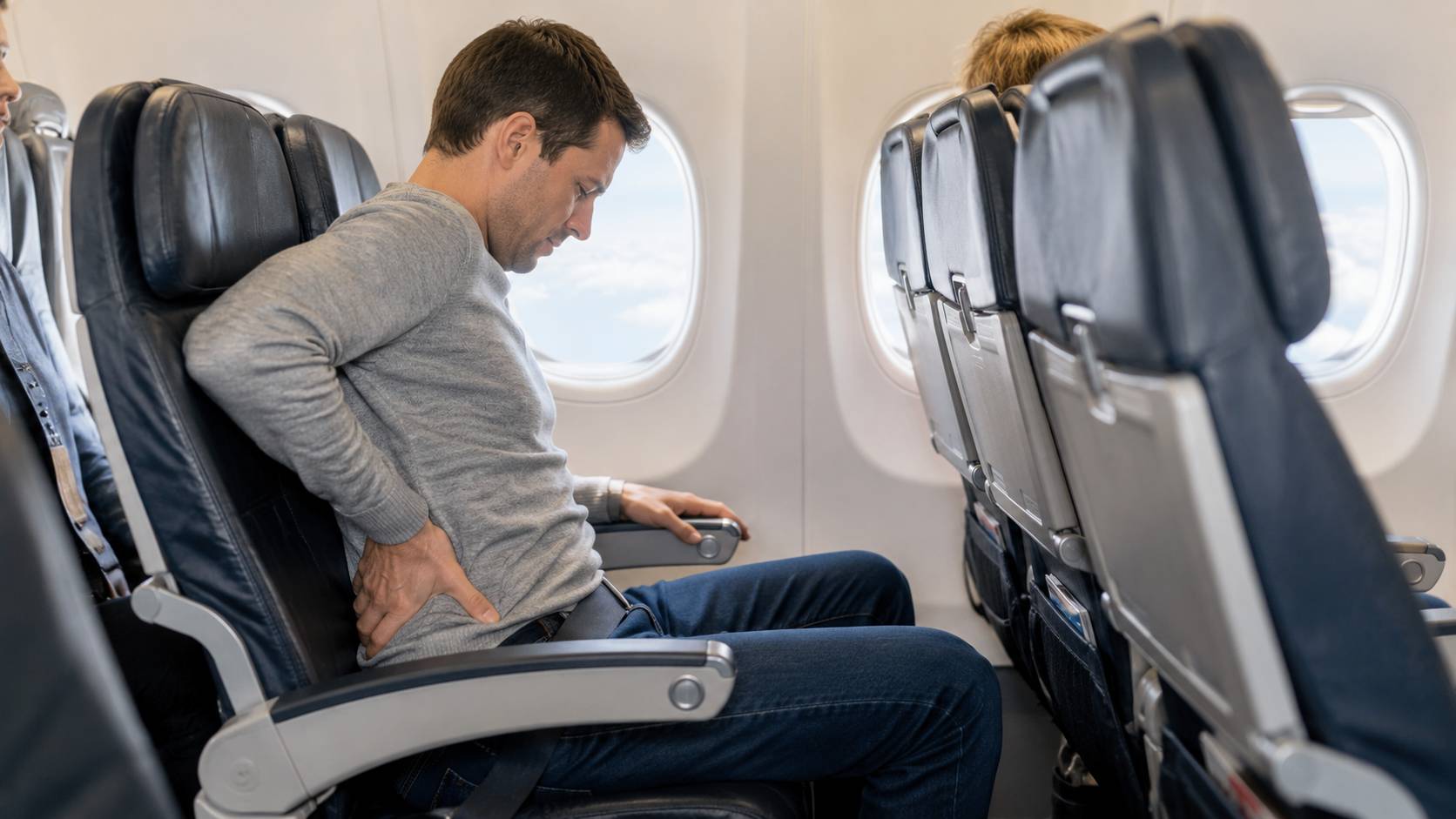
Have you ever arrived at your destination only to find your lower back feels stiff, sore, or painful?
Lower back pain from flying is a common complaint, particularly during summer holidays when long periods of sitting, carrying luggage, and spending time in airports can put extra strain on your spine. Whether you’re flying from Newcastle, Leeds Bradford Airport, Teesside International Airport, or travelling further afield, back discomfort can quickly affect the start of your holiday.
The good news is that lower back pain from flying is often manageable, and there are several simple steps you can take to reduce discomfort before, during, and after your journey.
What Causes Lower Back Pain From Flying?
Several factors can contribute to lower back pain from flying, especially during longer journeys.
Prolonged Sitting
Sitting for several hours increases pressure on the discs, joints, and muscles in your lower back. Aeroplane seats often provide limited support, making it harder to maintain a comfortable posture. This is one reason why lower back pain from flying is so common, particularly among people who already notice discomfort during long periods of sitting.
Reduced Movement
Long flights naturally limit how much you move. When muscles remain inactive for extended periods, they can become tight and stiff, particularly around the hips, pelvis, and lower back.
Poor Posture
Looking down at a phone, tablet, or laptop throughout a flight can place additional stress on the spine. Slouching or leaning forwards for long periods may increase strain on the muscles that support your back.
Lifting and Carrying Luggage
Heavy suitcases, backpacks, and lifting bags into overhead lockers can aggravate existing back problems or trigger new pain, especially if you twist while lifting.
Existing Back Conditions
For people with existing conditions such as sciatica, disc degeneration, spinal stenosis, or chronic back pain, prolonged sitting may make symptoms more noticeable during travel. If you regularly experience lower back pain after long journeys, understanding the underlying cause is important.
10 Travel Tips for Relieving Lower Back Pain While Travelling
1. Support Your Lower Back
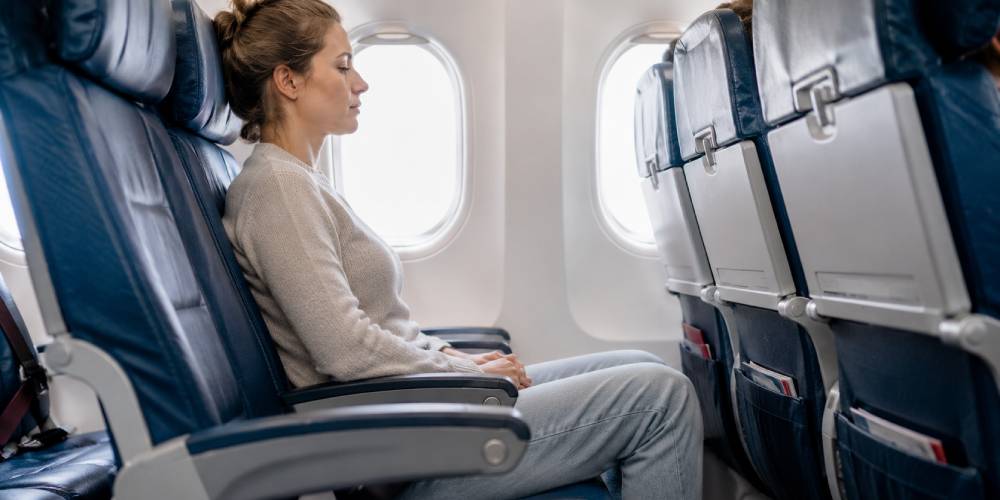
Many aeroplane seats do not provide enough support for the natural curve of your lower spine. Placing a small travel cushion, lumbar support, or even a rolled up jumper behind your lower back can help maintain better posture and reduce pressure on the muscles and joints during the flight.
2. Change Position Regularly
Remaining in the same position for several hours can cause muscles to tighten and joints to become stiff. Try adjusting your sitting position every 20 to 30 minutes. Small movements can help improve circulation and reduce the build up of tension that contributes to lower back pain from flying.
3. Stand Up and Walk When Possible
On longer flights, standing up and walking along the aisle every hour or two can help keep your muscles active and reduce stiffness. Even a short walk to stretch your legs can make a noticeable difference, especially if you already experience lower back pain or sciatica symptoms.
4. Stretch Before You Travel
Simple stretches before leaving home or while waiting at the airport can prepare your body for long periods of sitting. Gentle movements that target the hips, hamstrings, and lower back may improve flexibility and help reduce discomfort during and after your journey.
5. Avoid Crossing Your Legs
Crossing your legs for extended periods can affect your posture and place uneven stress on your pelvis and lower back. Keeping both feet flat on the floor and sitting evenly in your seat can help maintain better spinal alignment throughout the flight.
6. Stay Hydrated Throughout Your Journey
Travelling can make it easy to forget about hydration, particularly on longer flights. Drinking plenty of water may help reduce muscle tightness and fatigue. It is also worth limiting excessive alcohol and caffeine, which can contribute to dehydration during air travel.
7. Pack and Lift Luggage Carefully
Heavy luggage can place significant strain on your back, particularly when lifting bags into overhead lockers or carrying them through busy airports. Whenever possible, use wheeled luggage and bend your knees when lifting rather than twisting through your spine.
8. Choose the Right Seat
If you have a history of back pain, your choice of seat can make a difference. An aisle seat often provides more opportunity to stand up and move around, while extra legroom can help you maintain a more comfortable position during longer flights.
9. Keep Moving After Landing
Many people head straight to a taxi, hotel, or connecting transport after landing. Taking a few minutes to walk around the terminal or stretch gently can help loosen stiff muscles and reduce the discomfort that often develops after sitting for several hours.
10. Don’t Ignore Ongoing Symptoms
Occasional stiffness after flying is common, but persistent or recurring pain may indicate an underlying spinal condition. If your lower back pain from flying occurs after every journey, or symptoms begin to affect your daily activities, it may be worth investigating further.

When Is Lower Back Pain From Flying a Sign of Something More Serious?
Temporary stiffness after a flight is usually nothing to worry about. However, you should consider seeking medical advice if you experience:
- Pain lasting several weeks after travelling
- Pain that regularly returns after flights or long journeys
- Pain spreading into the buttock, thigh, or leg
- Numbness, tingling, or weakness in the leg
- Symptoms that affect sleep, walking, or daily activities
These symptoms may suggest an underlying spinal condition rather than simple travel related discomfort. Understanding when symptoms need professional assessment can help prevent ongoing problems.
Don’t Let Lower Back Pain From Flying Ruin Your Holiday
A long flight should not be the reason you spend the first few days of your holiday dealing with discomfort. If this is regular it is not normal.
Simple measures such as supporting your lower back, moving regularly, stretching, and lifting luggage carefully can help reduce the risk of lower back pain from flying. However, if symptoms continue to return after flights, long car journeys, or extended periods of sitting, it may be time to investigate whether there is an underlying cause.
Many people discover that lower back pain from flying is not caused by the flight itself, but by an existing issue that becomes more noticeable when sitting for long periods. Some patients also notice symptoms first thing in the morning or after sleeping.
At SpineArt, we help patients understand the causes of back pain and explore appropriate treatment options. If lower back pain is affecting your travel, work, or everyday life, our team can help assess your symptoms and discuss the most suitable next steps.
Frequently Asked Questions
Yes. Sitting for long periods, reduced movement, poor posture, and lifting luggage can all contribute to lower back pain from flying.
Long haul flights increase the amount of time spent sitting, which can lead to muscle stiffness, reduced mobility, and increased pressure on the structures of the lower back.
Yes. For some people, prolonged sitting can irritate the sciatic nerve and worsen symptoms such as leg pain, tingling, numbness, or discomfort travelling down the leg. For more information check out: Does Sciatica cause knee pain.
Many people find an aisle seat more comfortable because it allows easier access for standing, stretching, and walking during the flight.
If possible, aim to change position regularly and stand up to walk around every one to two hours during longer journeys. This can help reduce stiffness and improve circulation.