Why Does Sitting Make Lower Back Pain Worse?
Updated:
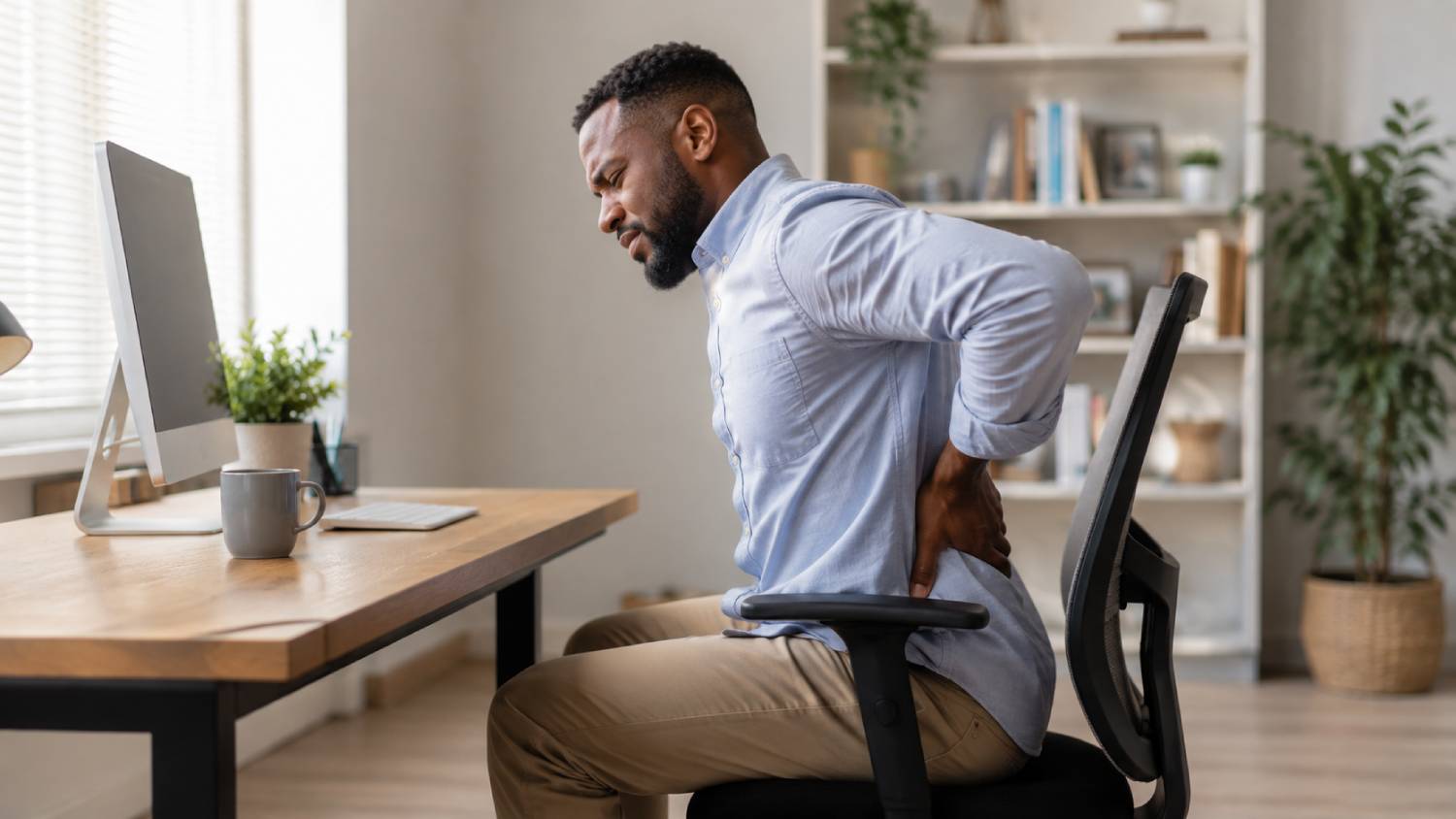
Sitting can make lower back pain worse because it increases pressure on the discs, joints, and muscles that support the spine. Poor posture, prolonged sitting, weak core muscles, and underlying spinal conditions can all contribute to discomfort.
If you notice lower back pain when sitting for long periods, it may be a sign that your spine is struggling to cope with the increased pressure placed on it while seated.
Why Does Sitting Cause Lower Back Pain?
Many people assume sitting is a restful position for the body. However, sitting for long periods can place significant strain on the lower back, particularly if posture and movement are poor.
Increased Pressure on the Spinal Discs
When you stand, your body weight is distributed naturally through the spine, pelvis, and legs. Sitting increases pressure on the spinal discs, particularly if you lean forwards or slouch.
Over time, this increased pressure can irritate sensitive structures within the spine and contribute to pain. Similar forces are often responsible for lower back pain from flying, particularly during long haul journeys where movement is limited.
Poor Sitting Posture
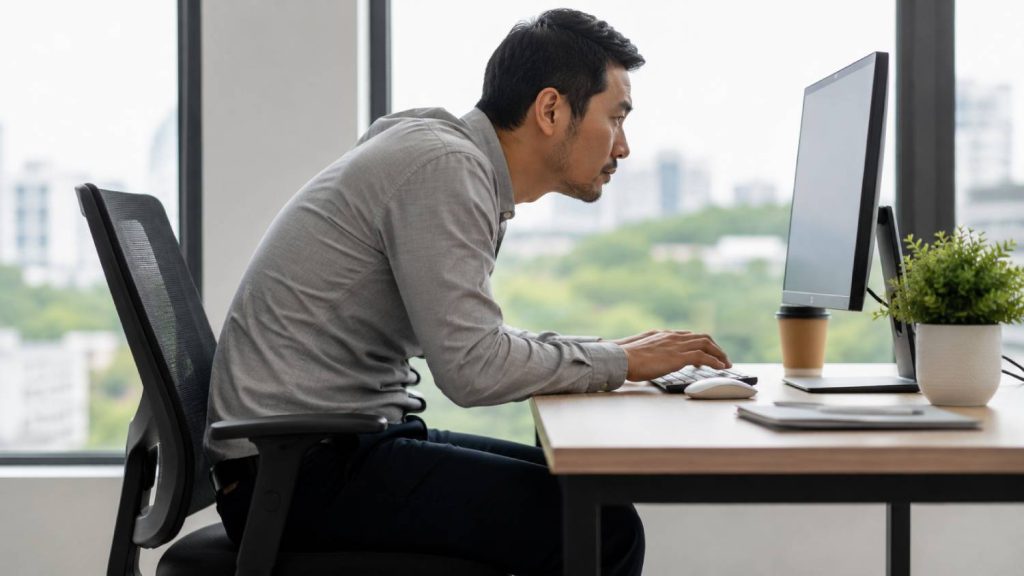
Many people spend hours sitting at a desk, working on a laptop, or looking down at a mobile phone. These positions often cause the shoulders to round forwards and the lower back to lose its natural curve.
Poor posture can increase muscle fatigue and place additional stress on the joints and discs of the spine. The longer these positions are maintained, the more likely discomfort becomes.
Tight Hips and Muscles
Long periods of sitting can cause the hip flexors, hamstrings, and gluteal muscles to become tight.
When these muscles lose flexibility, they can affect how the pelvis moves and alter the alignment of the lower back. This can contribute to ongoing stiffness and discomfort when sitting, standing, and walking.
Weak Core Support
Your core muscles play an important role in supporting the spine.
If these muscles become weak, the lower back may have to work harder to maintain stability. Over time, this can increase strain on the muscles and joints that support the spine, leading to recurring episodes of lower back pain when sitting.
Common Conditions That Cause Lower Back Pain When Sitting
While occasional discomfort is common, persistent lower back pain when sitting may indicate an underlying condition.
Disc Problems
The spinal discs act as cushions between the vertebrae. Conditions such as disc degeneration or disc bulges can become more noticeable when sitting because of the increased pressure placed on the discs.
People with disc related problems often report pain that worsens while seated and improves when walking or changing position. Understanding the causes of back pain can help identify whether an underlying spinal condition may be contributing to your symptoms.
Sciatica
Sciatica occurs when the sciatic nerve becomes irritated or compressed.
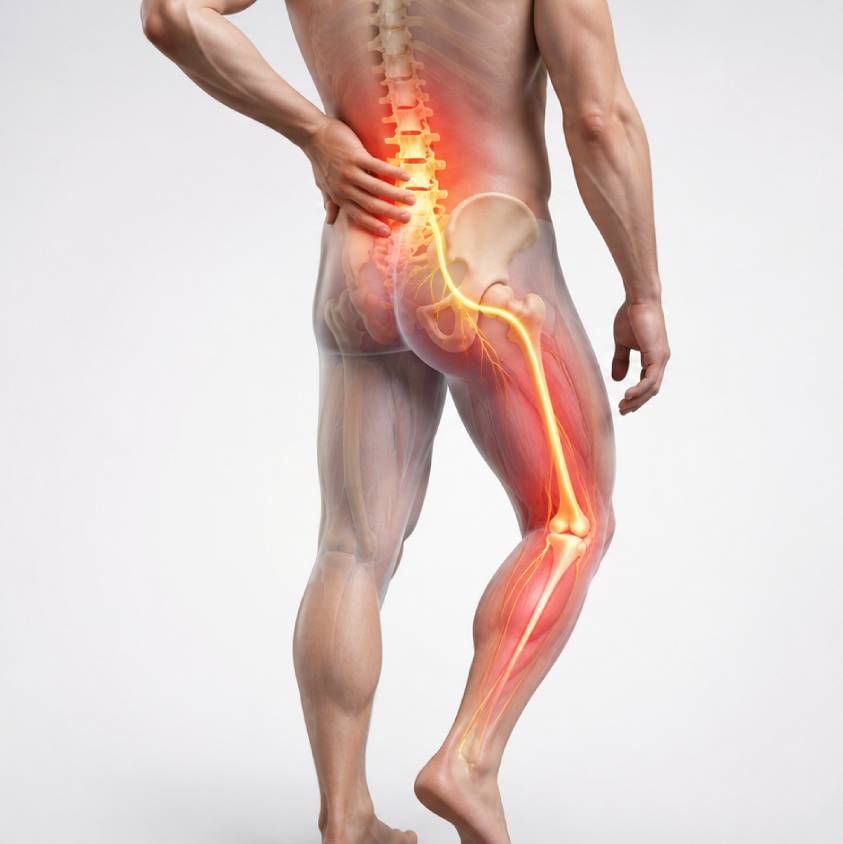
Many people find that sitting makes sciatica symptoms worse because the seated position can increase pressure on the nerve. Symptoms may include pain travelling into the buttock, thigh, calf, or foot, along with tingling or numbness.
If these symptoms sound familiar, learning more about sciatica symptoms may help you understand what is causing your discomfort.
Spinal Stenosis
Spinal stenosis involves narrowing of the spaces around the nerves in the spine.
While symptoms vary, most people experience symptoms when walking which can become more noticeable with age and may gradually worsen over time.
Facet Joint Pain
The facet joints help guide movement in the spine. Inflammation or degeneration within these joints can contribute to lower back pain, sometimes when sitting for extended periods, but more often when standing or leaning backwards.
Facet joint irritation often causes localised pain and stiffness, especially after remaining in the same position for too long.
7 Ways to Reduce Lower Back Pain When Sitting
1. Sit With Proper Lower Back Support
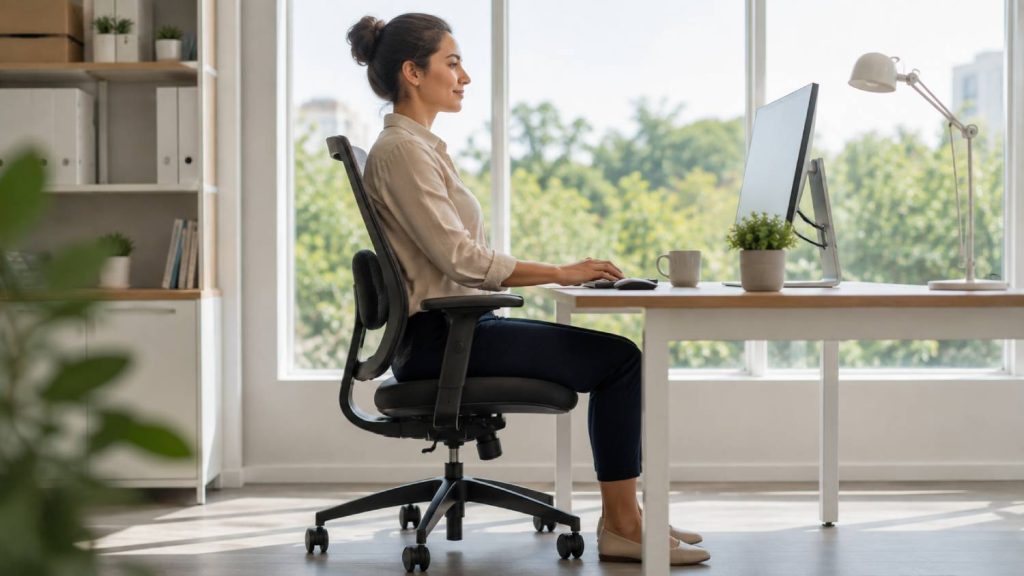
Using a supportive chair or placing a small cushion behind your lower back can help maintain the natural curve of the spine. Good support may reduce strain on the discs, muscles, and joints, making sitting more comfortable throughout the day.
2. Get Up Every 30 to 60 Minutes
One of the simplest ways to reduce lower back pain when sitting is to move more frequently. Standing, walking, or stretching for a few minutes can help improve circulation, reduce stiffness, and relieve pressure on the spine.
3. Adjust Your Desk Setup
Your screen should be at eye level, and your chair should allow your feet to rest comfortably on the floor. Small adjustments to your workstation can have a significant impact on posture and spinal health.
4. Stretch Your Hips Regularly
Hip stretches can help reduce tension that builds up during prolonged sitting. Improved flexibility may help reduce stress on the lower back and improve overall movement.
5. Strengthen Your Core Muscles
Exercises that target the abdominal and core muscles can help improve spinal support and reduce pressure on the lower back during daily activities. A stronger core often leads to better posture and reduced strain.
6. Avoid Sitting for Long Periods
If possible, alternate between sitting, standing, and walking throughout the day. Regular movement helps prevent muscles and joints from becoming stiff and may reduce recurring symptoms.
7. Seek Professional Advice if Symptoms Persist
If your symptoms continue despite making changes to your posture and activity levels, there may be an underlying cause that requires assessment. Understanding when to seek treatment for lower back pain can help you decide when it may be time to seek professional advice.
When Should You Be Concerned?
You should consider seeking professional advice if:
- Pain lasts longer than six weeks
- Symptoms keep returning
- Pain spreads into the leg
- You experience numbness or tingling
- Symptoms affect sleep or daily activities
- Sitting becomes increasingly uncomfortable over time
Persistent symptoms may indicate a spinal condition that would benefit from further investigation and specialist treatment rather than simple self-management.
Lower Back Pain When Sitting Shouldn’t Be Ignored
Many people assume lower back pain when sitting is simply part of getting older, working at a desk, or spending too much time driving.
In reality, prolonged sitting often exposes an underlying issue that may already be affecting the spine. The sooner the cause is identified, the easier it may be to manage symptoms and prevent them from becoming worse.
Some people who experience pain while sitting also notice symptoms first thing in the morning. Understanding why lower back pain is worse in the morning may provide further clues about the underlying cause.
If lower back pain is affecting your work, travel, or daily life, understanding the cause is the first step towards finding the right treatment. Exploring available back pain treatment options can help you understand what support may be available.
When Should You Seek Advice?
If lower back pain when sitting is becoming more frequent, lasting longer, or starting to affect your work, travel, or daily activities, it may be worth getting checked by a specialist.
Many people assume sitting related back pain is simply part of getting older or spending too much time at a desk. However, persistent symptoms can sometimes indicate an underlying spinal condition that may benefit from specialist assessment.
You may also want to seek advice if your pain regularly returns, spreads into the buttock or leg, or is accompanied by tingling, numbness, or weakness.
Dan Fagan FRCS , Consultant Spinal Surgeon at SpineArt provides specialist spinal assessment for patients across North Yorkshire and the North East. Identifying the cause of your symptoms early can help you understand your treatment options and prevent the problem from becoming more disruptive over time.
Mr. Fagan offers private consultations at:
Frequently Asked Questions
Many people benefit from changing position regularly. Alternating between sitting, standing, and walking can help reduce pressure on the spine and improve comfort.
Yes. Sitting increases pressure within the discs, which can make symptoms from a disc bulge or slipped disc more noticeable.
Most people benefit from standing and moving every 30 to 60 minutes, particularly if they spend long periods working at a desk or sitting throughout the day.